Overview
The Bachelor of Science in Public Health prepares public health professionals to tackle health challenges at local, national and global levels. After a foundation year, students study epidemiology, disease prevention, health promotion, environmental health, health policy and management. Teaching combines lectures, tutorials, problem-based learning and guest lectures by government, NGO and global health practitioners. From Year 3, students spend six hours a week in supervised field training with communities and health institutions, and the final year includes a public health internship, international health regulations and a thesis. The programme produces ethical leaders able to design and evaluate health interventions and to address health inequities through evidence-based practice.
Programme structure
5 years (10 semesters), full time: a foundation year, then four years of public health study with supervised field training, an internship and a thesis.
- Year 1Foundation year
- Year 2Core public health sciences
- Years 3–5Field training, internship and thesis
What you will learn
By graduation, you will be able to:
Apply the core principles and practices of public health to health problems in Somalia
Plan, carry out and supervise public health activities using evidence-based methods
Work with diverse communities, respecting culture, religion and environment
Explain health information clearly to communities and policymakers
Plan, manage and evaluate public health programmes in collaborative teams
Use digital tools and data to develop creative solutions to public health problems
Analyse public health problems critically and propose practical solutions
Uphold ethical principles and professional conduct in public health practice
Clinical and practical training
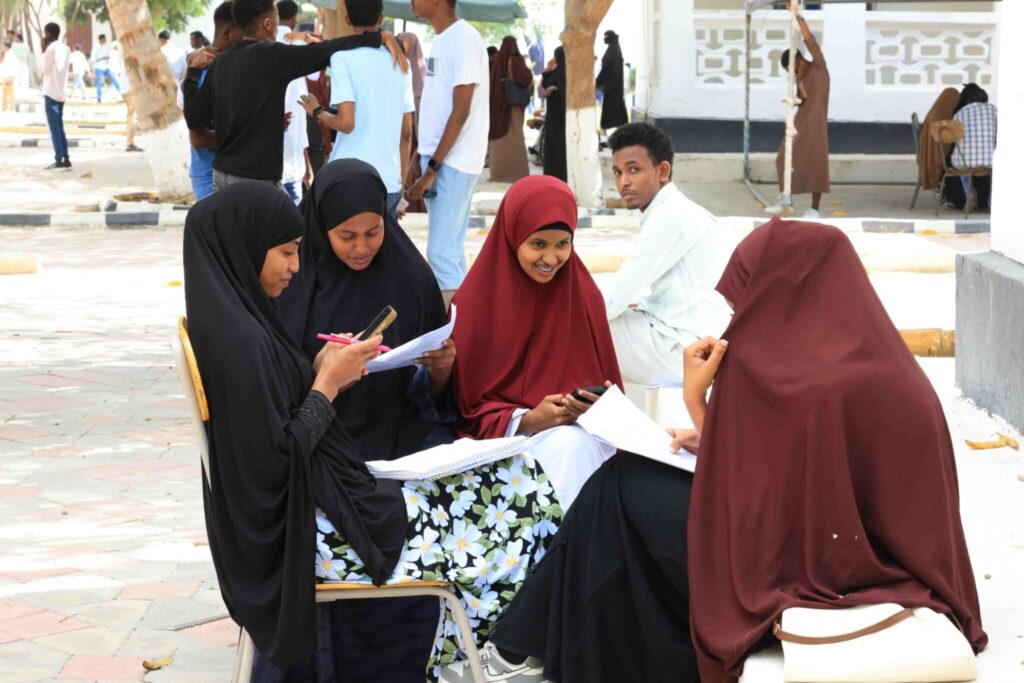
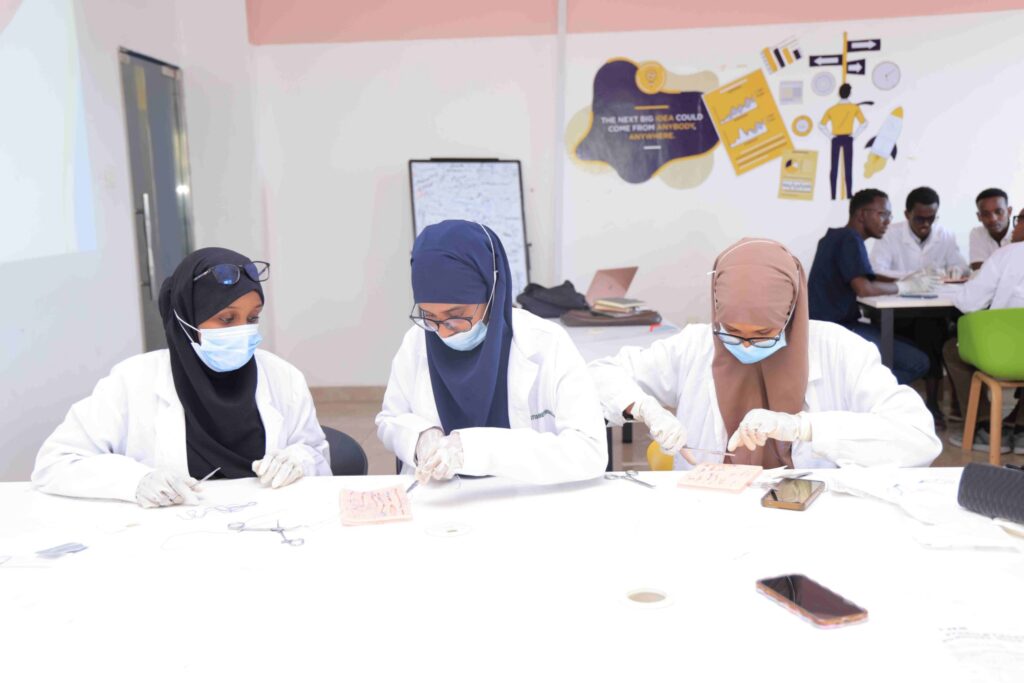
- From Year 3, students complete five semesters of Practical Field and Training (six hours a week), working with local communities, health facilities and public health institutions on surveillance, health promotion, food hygiene, vector control and community assessment.
- The final semester includes a supervised public health internship and a research thesis.
Programme lead and instructors
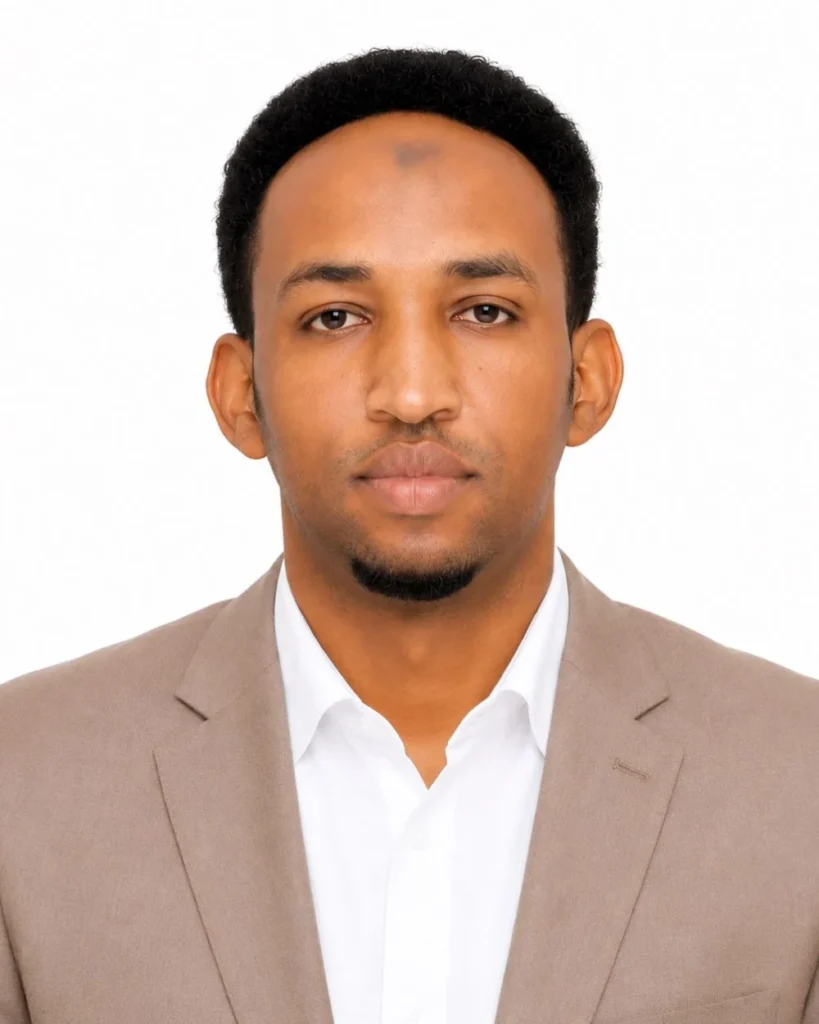
Jamal Hassan Mohamoud
Head, Department of Public Health
Responsible for the Public Health programme, its curriculum and its teaching.
View profileInstructors
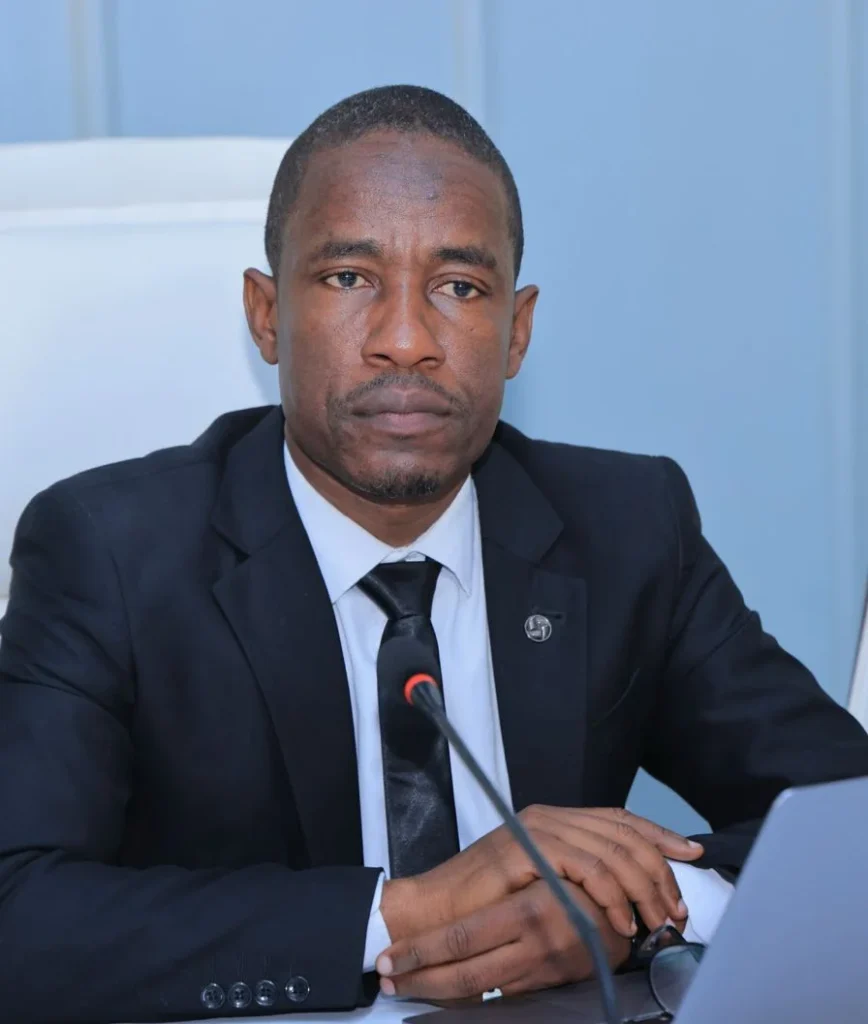 Bashiru Garba, PhDProfessor of Infectious Disease Epidemiology
 Mohamed Adam MahamudInstructor in Parasitology
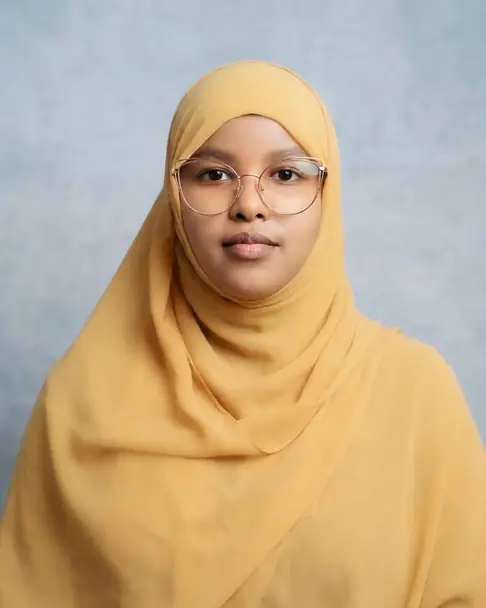 Jaweriya Bashir AhmedInstructor in Epidemiology
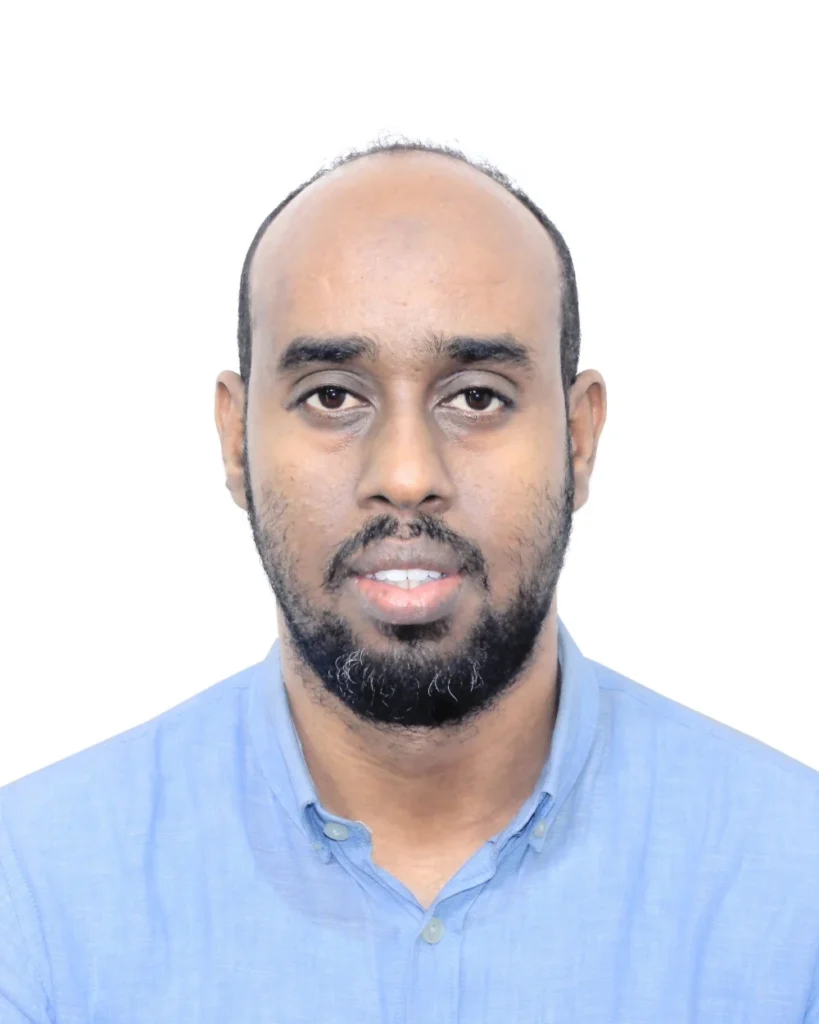 Ahmed Mahad Sheikh MohamedInstructor in Public Health
Careers and further study
- Public health officer with the Ministry of Health or a regional authority
- Programme officer with a national or international NGO or UN agency
- Surveillance and outbreak response officer at district or national level
- Health promotion and community health officer working with local communities
- Research assistant or data officer in health research projects
- Postgraduate study, such as a Master of Public Health or epidemiology
Fees
- Tuition
- US$ 400
- Charges
- US$ 70
- Total per semester
- US$ 470
The academic year has 42 weeks in two semesters of 18 weeks each. The first semester begins in August. Fees can be paid in full or in three instalments.
Every student also takes the University’s English Skills Program, which has its own fees, shown below.
Paying your feesEnglish Skills Program
All SIMAD University students take the English Skills Program (ESP) alongside the Public Health programme. It is a University requirement, taught by the University’s Institute of Modern Languages, and its fees are paid separately from programme fees.
Five levels
English for Academic Purposes, taught with Macmillan Skillful, one level each trimester, about 15 months in all.
- 1. FoundationBasics of academic English
- 2. BeginnerFunctional English
- 3. IntermediateCore academic skills
- 4. AdvancedAcademic communication
- 5. MasteryFluent academic English
ESP fees
Paid to the University separately from programme fees.
- RegistrationUS$ 5, paid once
- TuitionUS$ 114 per semester
- BooksUS$ 60 per semester
Exemption. Students who were born and educated in an English-speaking country may be exempted once they provide proof.
Entry requirements
- Secondary leaving certificate from the Ministry of Education with at least 60%
- A pass in the University entrance examination
- Fair proficiency in English
- Payment of the University admission fee
Registration runs from August to September, and classes begin in October.