
Overview
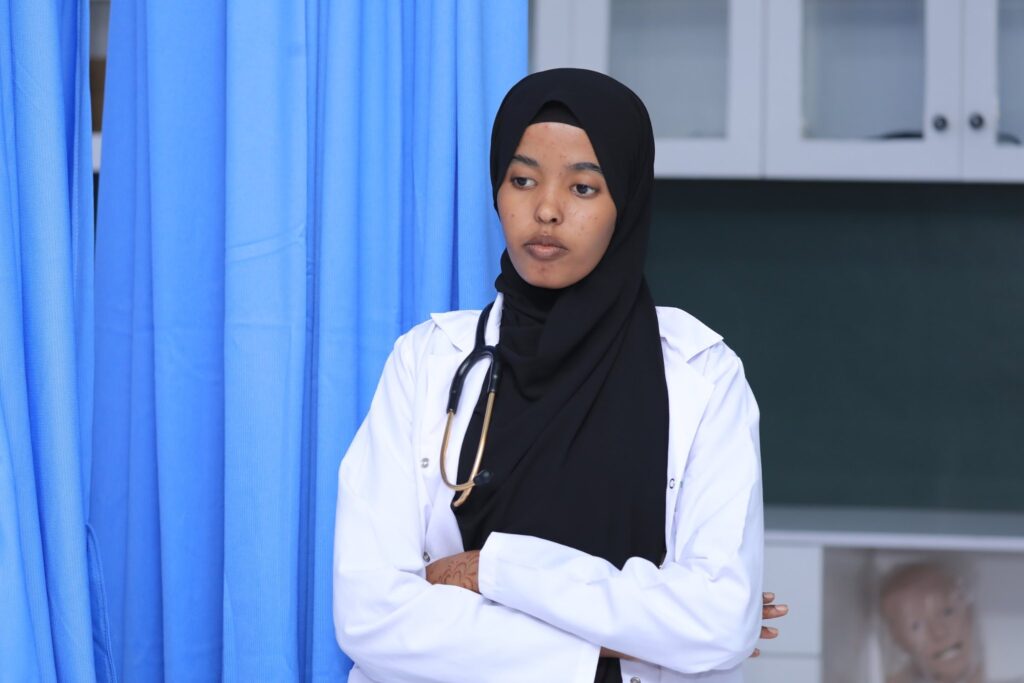
The Bachelor of Medicine and Surgery (MBBS) is a seven-year programme that prepares doctors for safe practice in Somalia and for specialist training anywhere. After a preliminary year, students study the basic medical sciences in Years 2 and 3 and pass the Intermediate Professional Examination. Year 4 builds clinical skills in the skills laboratory, and Years 5 and 6 are clinical clerkships at Dr. Sumait Hospital in medicine, surgery, paediatrics, obstetrics and gynaecology and the specialties. Every student completes two electives and a research thesis, then a one-year supervised internship. Ten programme outcomes guide every course and assessment, and teaching is enriched by bedside teaching with volunteer patients, the Weekly Clinical Meeting and SIMAD Medical Grand Rounds.
Mission and vision
Mission
To graduate competent, ethical and compassionate doctors who meet the health needs of Somalia and are ready for internship, postgraduate training and lifelong learning; to advance research that improves health in Somalia and contributes to global health; and to serve the community through patient care, health promotion and partnership with the health system.
Vision
To be a leading medical school in the Horn of Africa, recognised for doctors who give safe, ethical and evidence-based care and lead the improvement of health in Somalia.
Programme structure
7 years, full time: 6 academic years (12 semesters) and a 1-year compulsory internship.
- Preliminary yearFoundation sciences
- Years 2–3Basic medical sciences, Intermediate Professional Examination
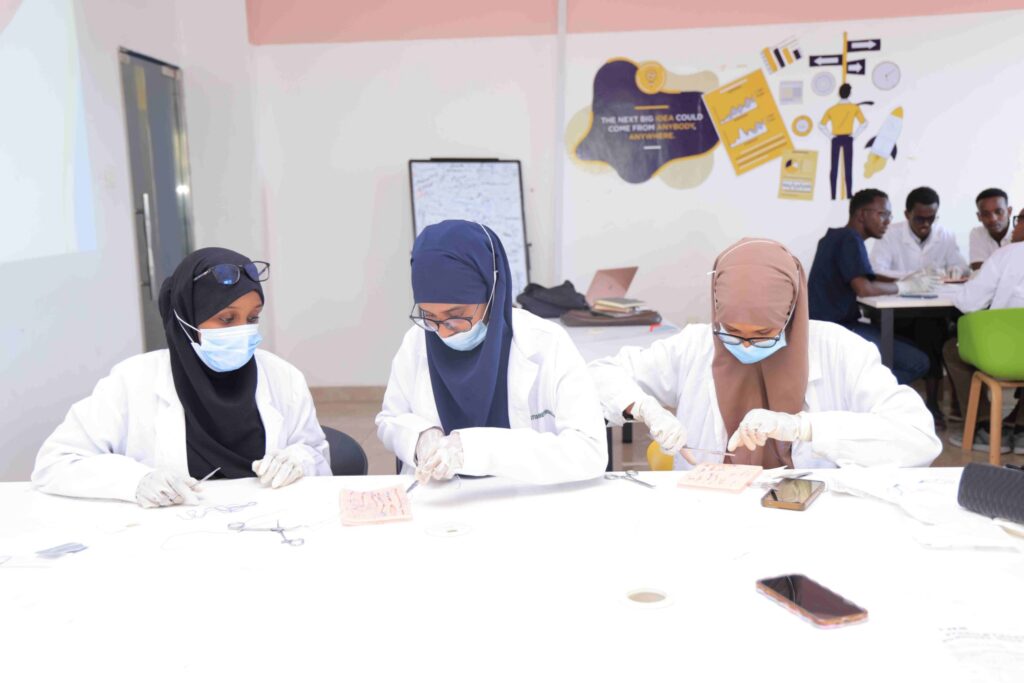
- Year 4Clinical skills laboratory
- Years 5–6Clinical clerkships, electives and thesis
- Year 7Compulsory internship
Courses by year
Courses and credit hours in each semester. Year 7 is the compulsory internship, with five rotations of 13 weeks.
- Arabic Language I3 credits
- Fundamentals of Computing3 credits
- Study Skills3 credits
- Cell Biology4 credits
- General Chemistry4 credits
- Medical Terminology4 credits
- Computer Application Technology3 credits
- Islamic Studies I3 credits
- Organic Chemistry4 credits
- Medical Physics4 credits
- Genetics4 credits
- Arabic Language II3 credits
- Principles of Management3 credits
- Physiology I4 credits
- Systemic Anatomy6 credits
- Biochemistry I6 credits
- Histology4 credits
- Embryology4 credits
- Medical Ethics2 credits
- Islamic Studies II3 credits
- Physiology II4 credits
- Biochemistry II6 credits
- Microbiology I6 credits
- Regional Anatomy I4 credits
- Introduction to Community Medicine4 credits
- Communication Skills3 credits
- Physiology III4 credits
- Pharmacology I4 credits
- Regional Anatomy II4 credits
- General Pathology4 credits
- Microbiology II6 credits
- Parasitology6 credits
- Primary Health Care4 credits
- Regional Anatomy III4 credits
- Immunology4 credits
- Systemic Pathology6 credits
- Nutrition4 credits
- Biostatistics4 credits
- Pharmacology II4 credits
- Epidemiology4 credits
- Radiology4 credits
- Basic Clinical Skills4 credits
- Forensic Medicine and Toxicology4 credits
- Research Methodology4 credits
- Dermatology4 credits
- Infectious Diseases4 credits
- Internal Medicine I4 credits
- Pulmonology4 credits
- Gastrointestinal Tract8 credits
- Endocrinology4 credits
- Internal Medicine II8 credits
- Cardiology8 credits
- Nephrology6 credits
- Haematology6 credits
- Surgery I16 credits
- Anaesthesiology4 credits
- Surgery II16 credits
- Emergency Medicine4 credits
- Ophthalmology4 credits
- Otorhinolaryngology (ENT)4 credits
- Laboratory Diagnostics4 credits
- Psychiatry4 credits
- Orthopaedics and Traumatology4 credits
- Paediatrics I14 credits
- Obstetrics14 credits
- Basic Surgical Skills2 credits
- Community Outreach4 credits
- Paediatrics II14 credits
- Gynaecology14 credits
- Health Systems Management4 credits
- Stomatology4 credits
- Thesis10 credits
- Internal Medicine13 weeks
- Paediatrics13 weeks
- Obstetrics and Gynaecology13 weeks
- Surgery13 weeks
- Community Medicine13 weeks
Research thesis
MBBS students write a supervised research thesis in pairs, on a health question that matters for Somalia.
- When
- Year 6, both semesters
- Written by
- Two students together
- Supervision
- At least one supervisor per pair
- Guideline
- Thesis guideline (PDF)
What you will learn
By graduation, you will be able to:
Apply the biomedical, clinical and public-health sciences to medical practice
Take a history, examine a patient and make evidence-based diagnostic decisions
Perform essential clinical procedures safely under appropriate supervision
Give first-line care in common medical, surgical and obstetric emergencies
Communicate clearly and compassionately with patients, families and colleagues
Practise ethically, respecting confidentiality, consent and patient safety
Promote health and prevent disease in Somali communities and beyond
Appraise evidence, conduct basic research and keep learning throughout their careers
Clinical and practical training
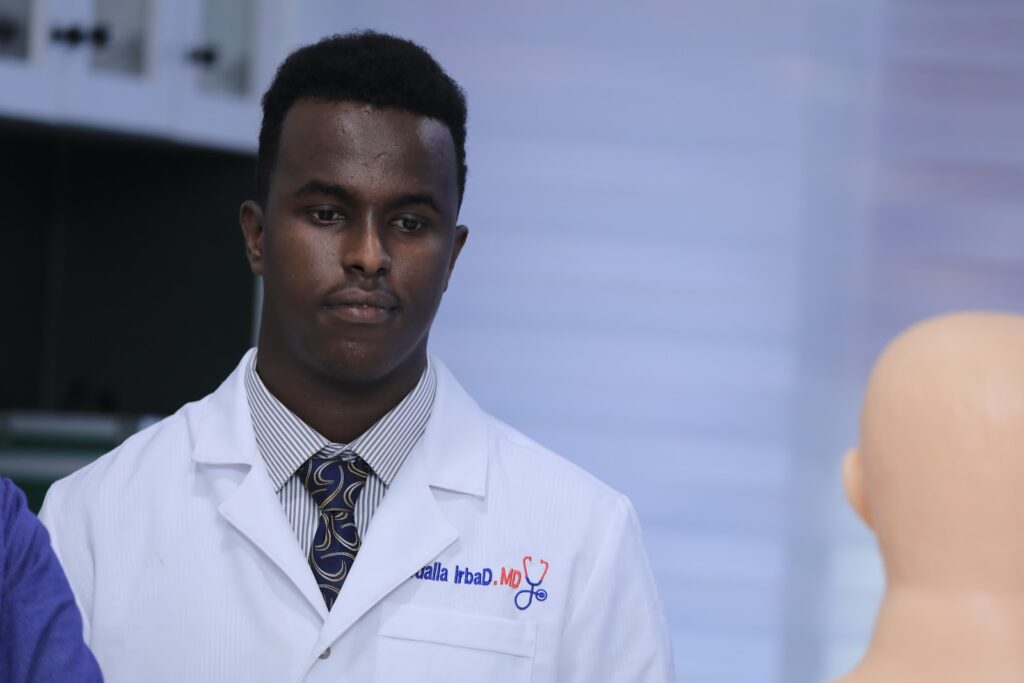
- Years 2 and 3Practicals in anatomy, biochemistry and physiology in the Faculty laboratories, alongside lectures.
- Year 4Clinical skills in the Skills Laboratory and the Intermediate Professional Examination, set by external examiners.
- Years 5 and 6Clerkship at Dr. Sumait Hospital in medicine, surgery, paediatrics and obstetrics, with a logbook of procedures.
- Year 7A one-year internship abroad at a partner university, such as Ahmadu Bello University in Nigeria, then graduation.
Programme lead and instructors

Dr. Suldan Abdullahi Ali
Head of Medicine and Surgery
Responsible for the Medicine and Surgery programme, its curriculum and its teaching.
View profileInstructors
 Abdikarem Abdullahi Abdi, PhDInstructor
in BiochemistryView profile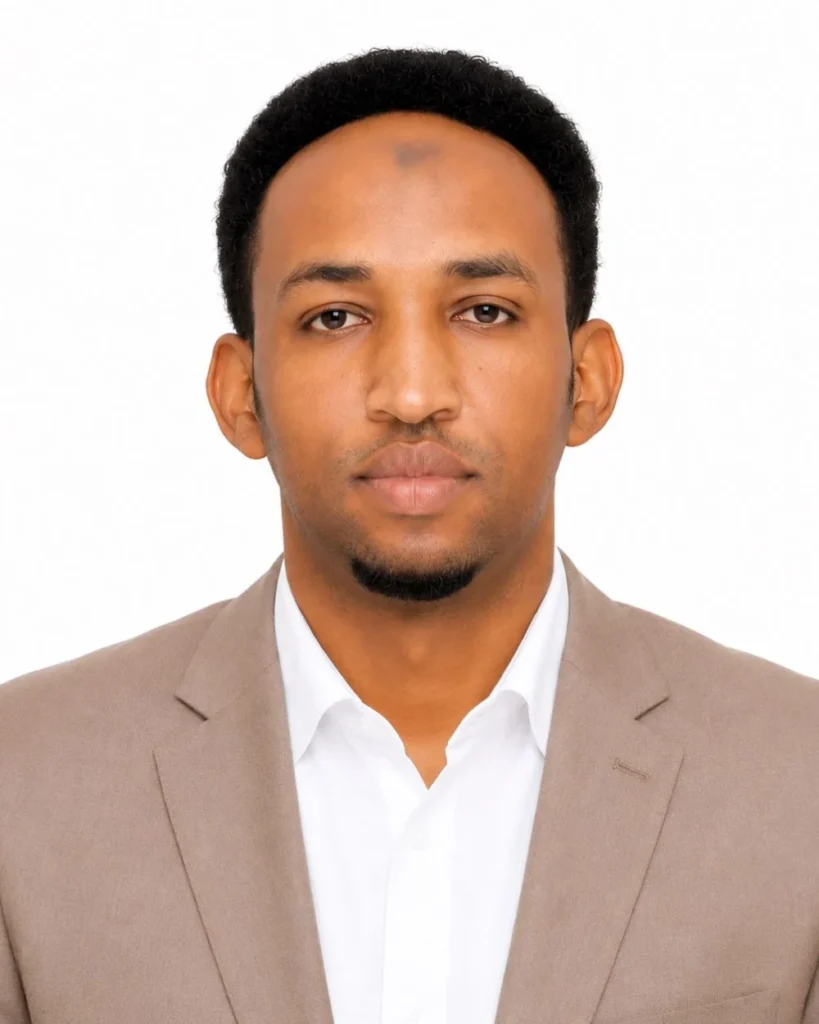 Jamal Hassan MohamoudInstructor
in Public HealthView profile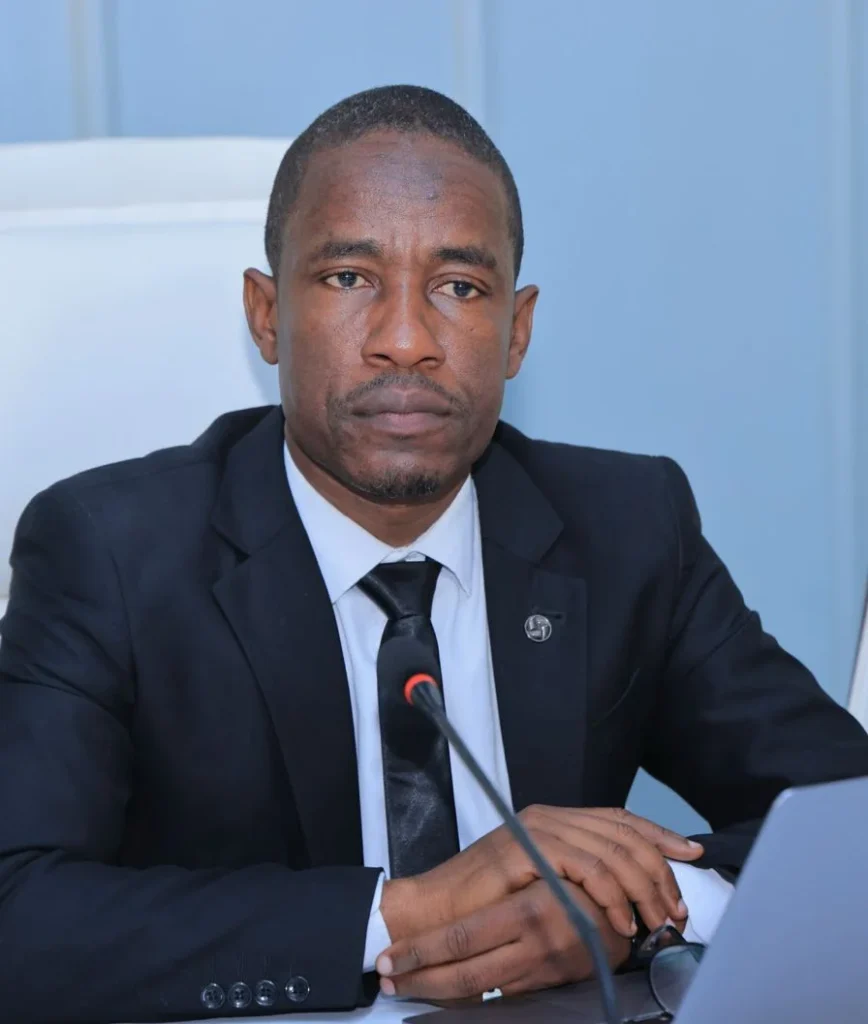 Bashiru Garba, PhDProfessor of Infectious Disease EpidemiologyView profile
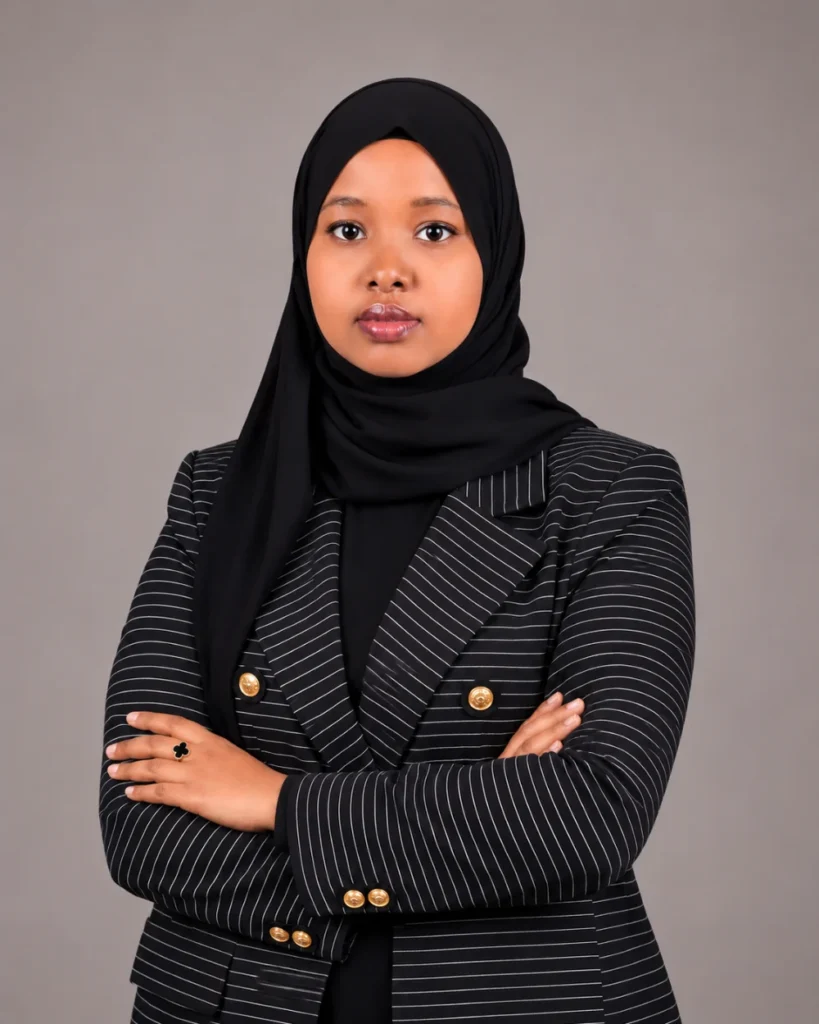 Zainab Ali Mohamud Sabrie, PhDAssistant Professor
of PharmacologyView profile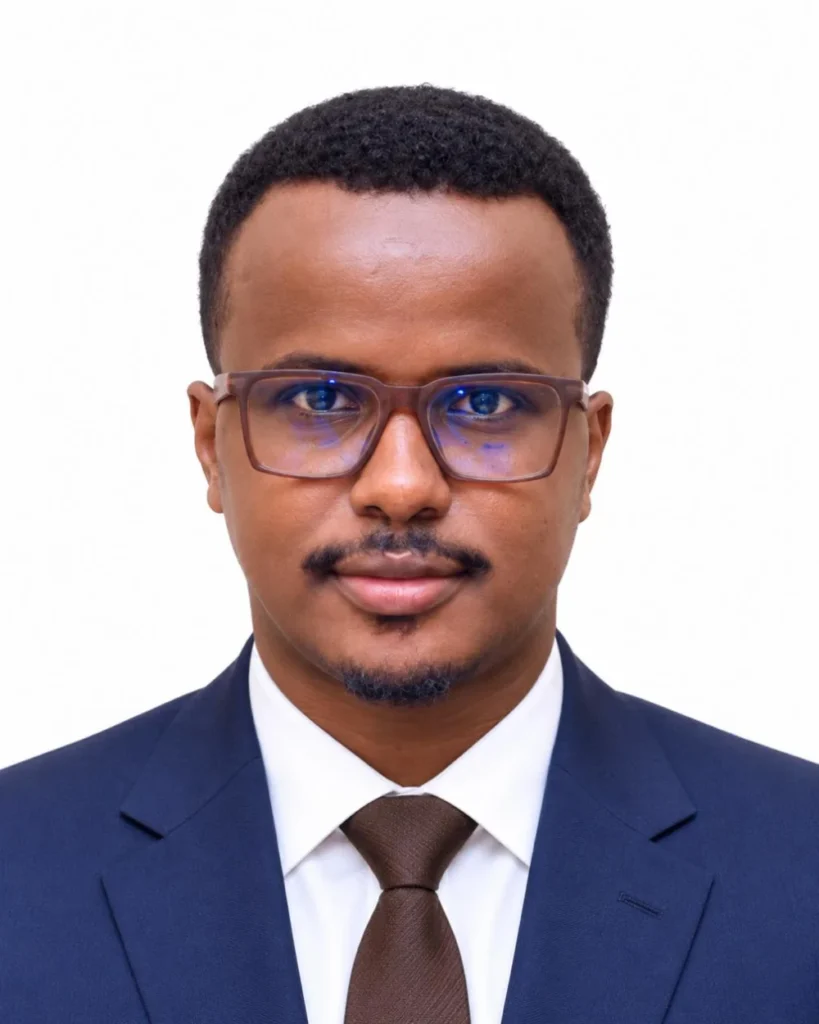 Abdirasak Sharif AliInstructor
in HaematologyView profile Dr. Fartun Abdullahi Hassan OreyInstructor
in PaediatricsView profile Dr. Saleh Abdulkadir SaeedInstructor
in PathologyView profile Yahye Ahmed NageyeInstructor
in PharmacologyView profile Dr. Osman Abubakar Haji MohamedInstructor
in Public HealthView profile
Programme policies
The Faculty policies that govern the MBBS programme, its students, teaching and staff.
- Student support, counselling and career guidanceStudents
- Student representation on committees and reviewsStudents
- Student attendance, absence and missed assessmentsStudents
- Academic staff recruitment, appraisal and promotionAcademic staff
- Faculty development and medical education expertiseAcademic staff
- Staff attendance, leave and teaching coverAcademic staff
- Research and its link with teaching and learningTeaching and research
- Programme resources, incentives and leadership reviewTeaching and research
- ICT use and protection of personal and patient dataInformation and equity
- Public information about the MBBS programmeInformation and equity
- Equity, equal opportunities and academic freedomInformation and equity
Careers and further study
- Intern doctor, then medical officer in public and private hospitals
- Specialist (residency) training in Somalia or abroad after the internship
- International licensing exams, such as MRCP, PLAB and USMLE
- Public health and humanitarian medicine with the Ministry of Health and NGOs
- Research and academic medicine, teaching and supervising future doctors
- Postgraduate study, such as a master’s in public health or clinical research
Fees
- Tuition
- US$ 1,220
- Charges
- US$ 130
- Total per semester
- US$ 1,350
The academic year has 42 weeks in two semesters of 18 weeks each. The first semester begins in August. Fees can be paid in full or in three instalments.
Every student also takes the University’s English Skills Program, which has its own fees, shown below.
Paying your feesEnglish Skills Program
All SIMAD University students take the English Skills Program (ESP) alongside the Medicine and Surgery programme. It is a University requirement, taught by the University’s Institute of Modern Languages, and its fees are paid separately from programme fees.
Five levels
English for Academic Purposes, taught with Macmillan Skillful, one level each trimester, about 15 months in all.
- 1. FoundationBasics of academic English
- 2. BeginnerFunctional English
- 3. IntermediateCore academic skills
- 4. AdvancedAcademic communication
- 5. MasteryFluent academic English
ESP fees
Paid to the University separately from programme fees.
- RegistrationUS$ 5, paid once
- TuitionUS$ 114 per semester
- BooksUS$ 60 per semester
Exemption. Students who were born and educated in an English-speaking country may be exempted once they provide proof.
Entry requirements
- Secondary leaving certificate from the Ministry of Education with at least 60%
- A pass in the University entrance examination
- Fair proficiency in English
- Payment of the University admission fee
Registration runs from August to September.