Three settings, one pathway
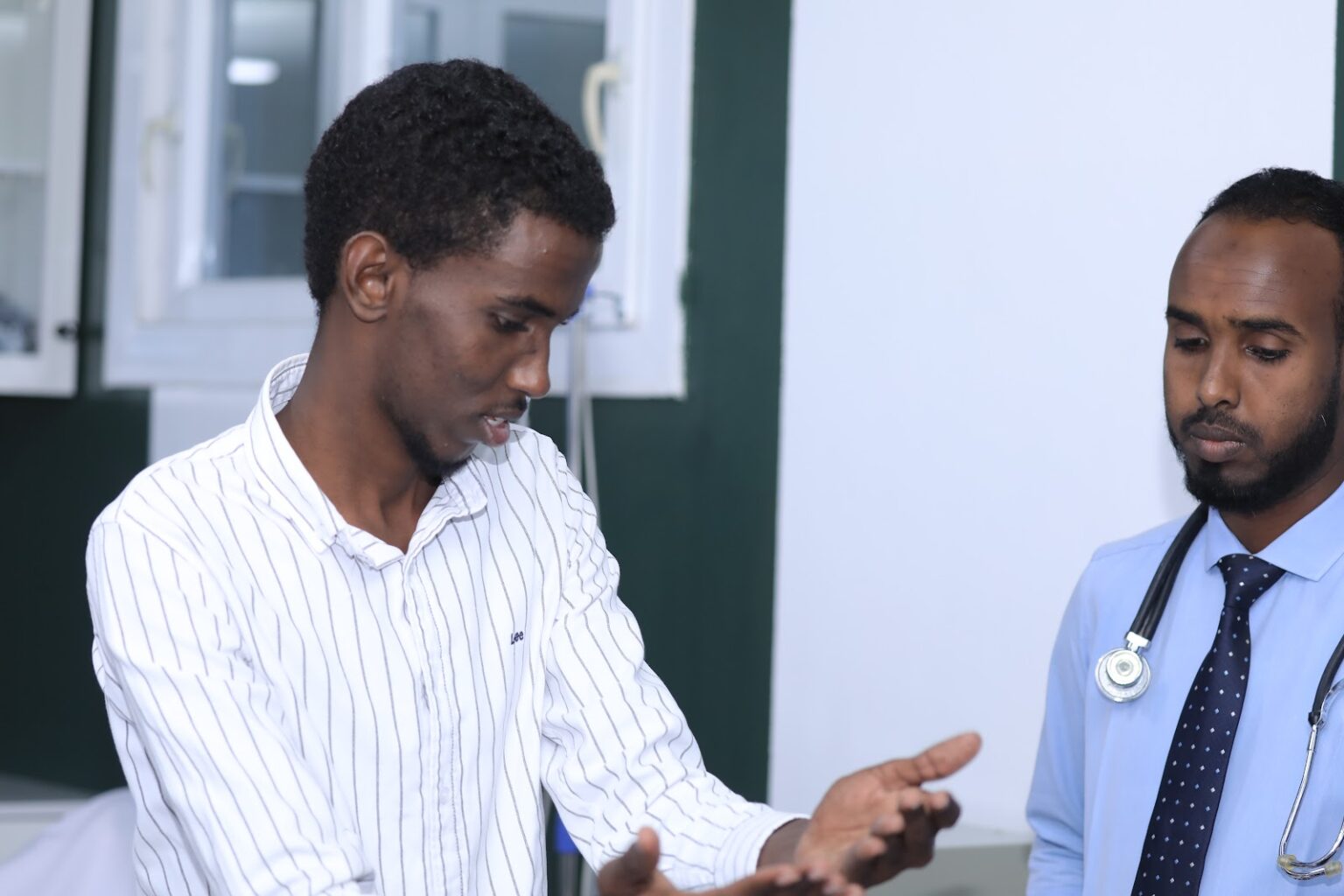
Students build skills in simulation first, then apply them on the wards and in the community.
- Step 1Skills LaboratoryExamination, procedures and emergency care practised safely on manikins.
- Step 2Teaching hospitalWard work, clinics and on-call duties at Dr. Sumait Hospital and three partner hospitals.
- Step 3CommunityCommunity medicine, primary health care and outreach on health promotion.
The Skills Laboratory
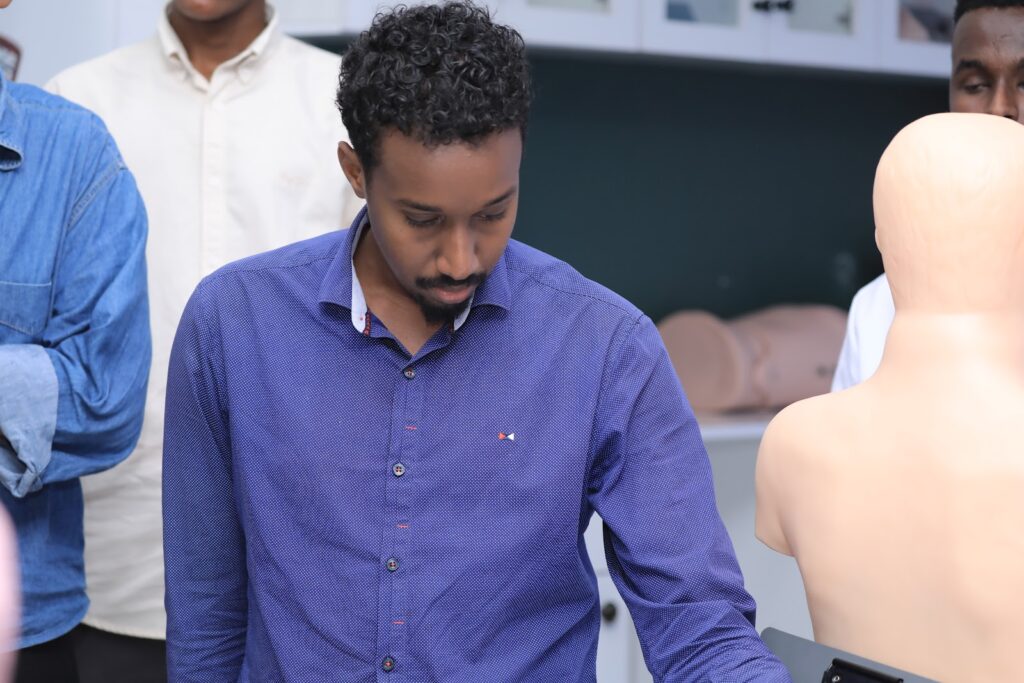
A simulated clinical environment with manikins, simulation models and medical instruments, where students practise before they meet patients.
- MBBS students learn history-taking, examination and essential procedures.
- Nursing and midwifery students practise vital signs, medication, wound care, antenatal care, normal labour and newborn resuscitation.
- Laboratory students practise phlebotomy and specimen handling.
- Skills are signed off on competency checklists.
Teaching hospitals and clinical sites
5 sites
- Dr. Sumait HospitalUniversity teaching hospital
Principal site for all programmes: medicine, surgery, paediatrics, obstetrics and gynaecology, specialties, nursing and midwifery units, clinical laboratory, imaging
- Madina HospitalMogadishu
Nursing and midwifery practicals and clinical rotations
- Banaadir HospitalMogadishu
Nursing and midwifery practicals and clinical rotations
- SOS HospitalMogadishu
Nursing and midwifery practicals and clinical rotations
- Affiliated diagnostic centresMogadishu
Radiography rotations in X-ray, CT, MRI, ultrasound and other imaging units
No sites match your search.
Clinical teaching formats
- Weekly Clinical MeetingCase presentations and discussion with senior clinicians every week.
- SIMAD Medical Grand RoundsRecurring Grand Rounds open to all doctors as continuing professional development.
- Bedside teachingVolunteer patients with stable chronic conditions take part in teaching.
Community training
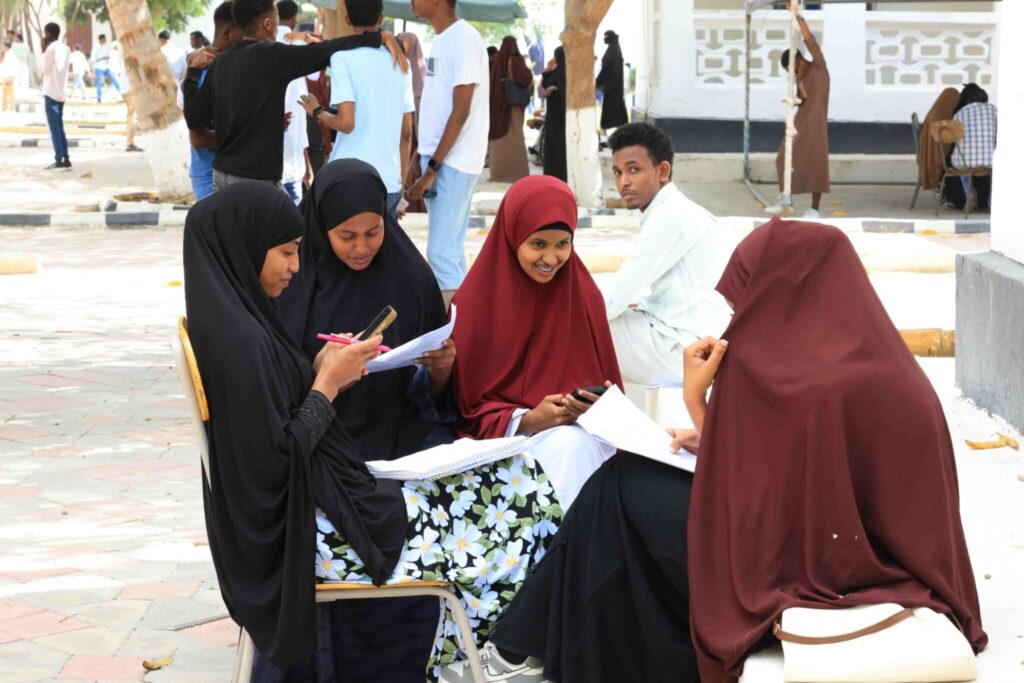
Community training runs through the programme: community medicine and primary health care in the early years, epidemiology and research methods in Year 4, and a community outreach course in Year 6, in which students work with communities on health promotion and disease prevention. The internship includes eight weeks of community medicine.
Training in each programme
Choose a programme to see how its clinical and practical training is organised.
Medicine and Surgery
- Students practise examination and procedures in the skills laboratory in Year 4, then train at Dr. Sumait Hospital and affiliated sites in Years 5 and 6, with supervised ward work, clinics and on-call duties in medicine, surgery, paediatrics, obstetrics and gynaecology and the specialties.
- Each student keeps a logbook of procedures.
- A one-year internship in internal medicine, paediatrics, obstetrics and gynaecology, surgery and community medicine follows graduation.
Nursing
- Students practise in the nursing skills laboratory in Years 1–2.
- From Year 3 they rotate without interruption through Dr. Sumait Hospital, Madina Hospital, Banaadir Hospital and SOS Hospital, with supervised ward placements of 24 hours a week in medical, surgical, obstetric, paediatric, psychiatric, critical-care and other units.
- Year 5 ends with a supervised internship of 32 hours a week.
Midwifery
- Students practise antenatal care, normal labour, newborn care and basic life support in the skills laboratory in Years 1–2.
- From Year 3 they rotate through antenatal clinics, labour and delivery, postnatal, gynaecology and newborn units at four Mogadishu hospitals (24 hours a week).
- Year 5 is a two-semester supervised internship of 32 hours a week.
Medical Laboratory Sciences & Applied Microbiology
- Students train in the Faculty’s microbiology, clinical pathology, biochemistry, molecular biology, anatomy and physiology, and skills laboratories, practising phlebotomy and specimen handling in simulation first.
- In the final year, Internship Programmes I and II (32 hours a week) at Dr. Sumait Hospital cover specimen reception, testing, quality control and reporting, assessed through a competency portfolio.
Public Health
- From Year 3, students complete five semesters of Practical Field and Training (six hours a week), working with local communities, health facilities and public health institutions on surveillance, health promotion, food hygiene, vector control and community assessment.
- The final semester includes a supervised public health internship and a research thesis.
Radiography
- From Year 2, students complete supervised Clinical Practice courses (up to eight hours a week) in the X-ray, CT, MRI, ultrasound and other imaging departments of affiliated hospitals and diagnostic centres, after practising positioning in the imaging laboratory.
- The final semester combines intensive modality training in conventional radiography, fluoroscopy, ultrasound, CT, MRI and nuclear medicine with a thesis.