Overview
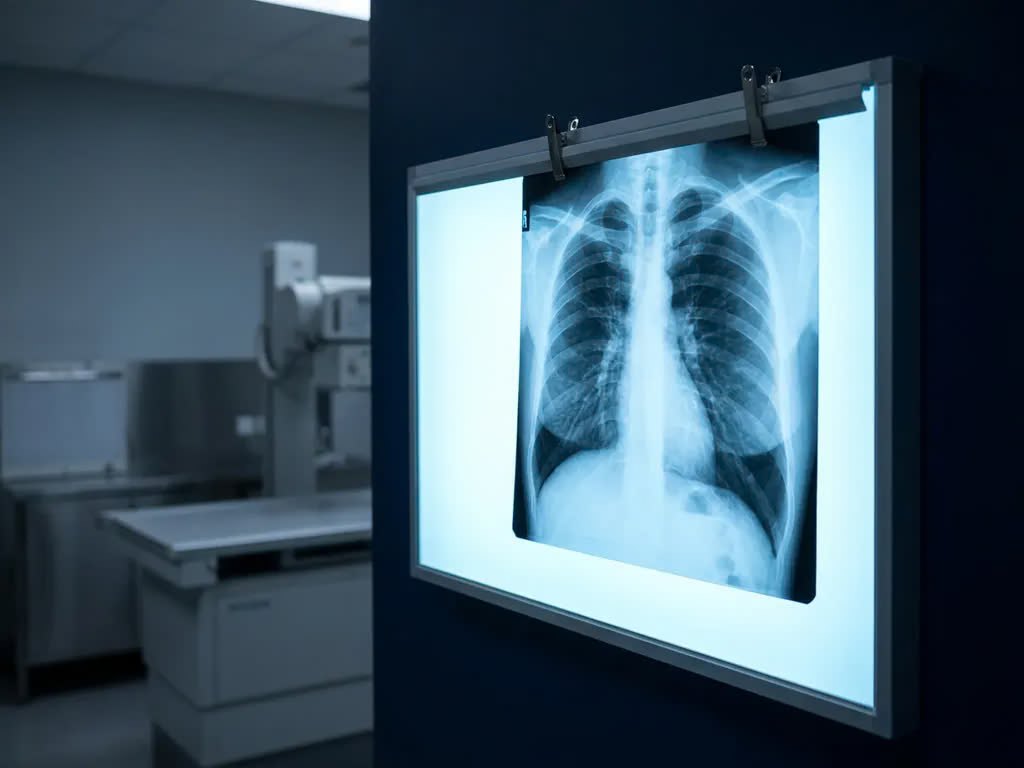
The Bachelor of Science in Radiography prepares competent and ethical medical imaging professionals. After a foundation year, students study radiographic anatomy, radiation physics and protection, patient care and imaging techniques across X-ray, fluoroscopy, CT, MRI, ultrasound and nuclear medicine. Teaching combines lectures, image-evaluation tutorials, problem-based learning on imaging cases and guest lectures by radiologists, radiographers and medical physicists. Supervised clinical practice runs from Year 2 in the imaging departments of affiliated hospitals and diagnostic centres, and the final year includes advanced modality training and a research thesis. Graduates work safely to national and international standards in hospitals and diagnostic centres.
Programme structure
5 years (10 semesters), full time: a foundation year, then four years of radiography with clinical rotations and a thesis.
- Year 1Foundation year
- Years 2–5Clinical practice, modality training and thesis
What you will learn
By graduation, you will be able to:
Explain radiography, imaging science, anatomy, radiation physics and protection
Perform imaging safely, with correct positioning and quality assurance
Apply radiation safety standards to protect patients, staff and the public
Communicate effectively with patients, families and multidisciplinary teams
Use modern imaging technology, digital systems and informatics in practice
Apply critical thinking to image evaluation, equipment handling and clinical decisions
Conduct basic research and apply evidence to improve imaging services
Practise ethically, work in teams, lead and continue learning
Clinical and practical training
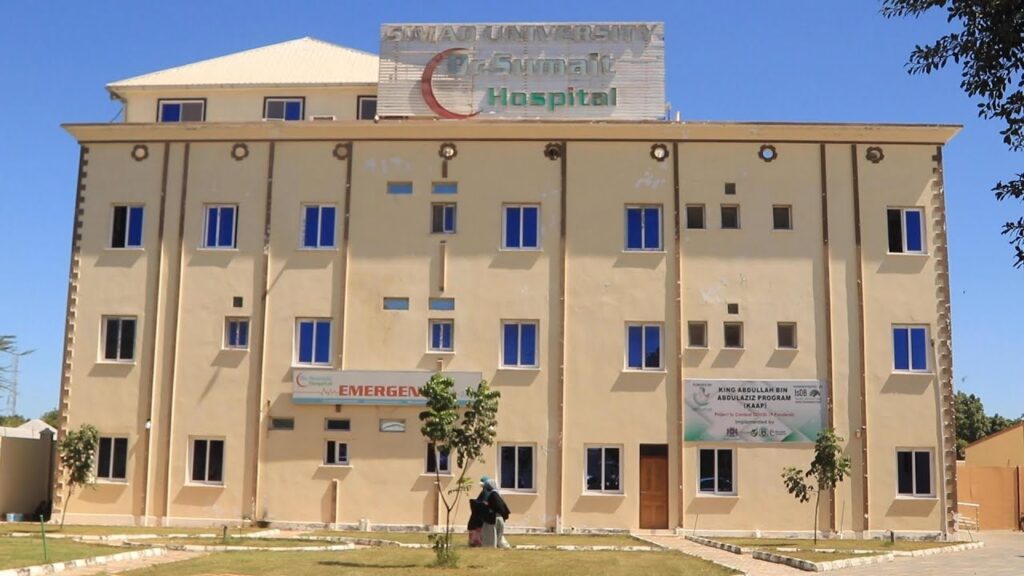
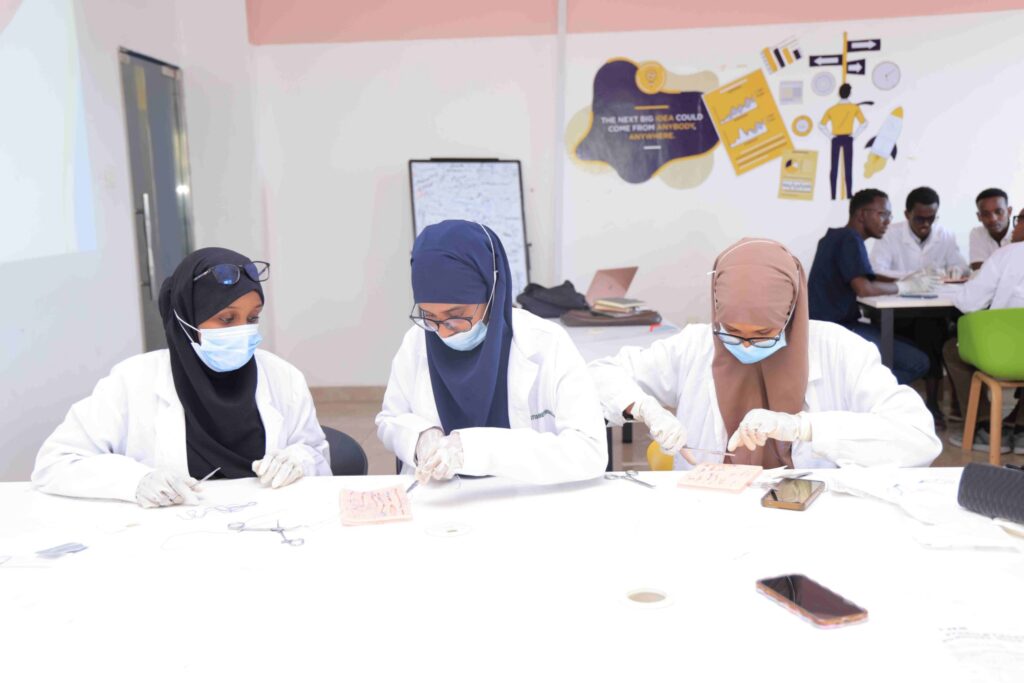
- From Year 2, students complete supervised Clinical Practice courses (up to eight hours a week) in the X-ray, CT, MRI, ultrasound and other imaging departments of affiliated hospitals and diagnostic centres, after practising positioning in the imaging laboratory.
- The final semester combines intensive modality training in conventional radiography, fluoroscopy, ultrasound, CT, MRI and nuclear medicine with a thesis.
Programme lead
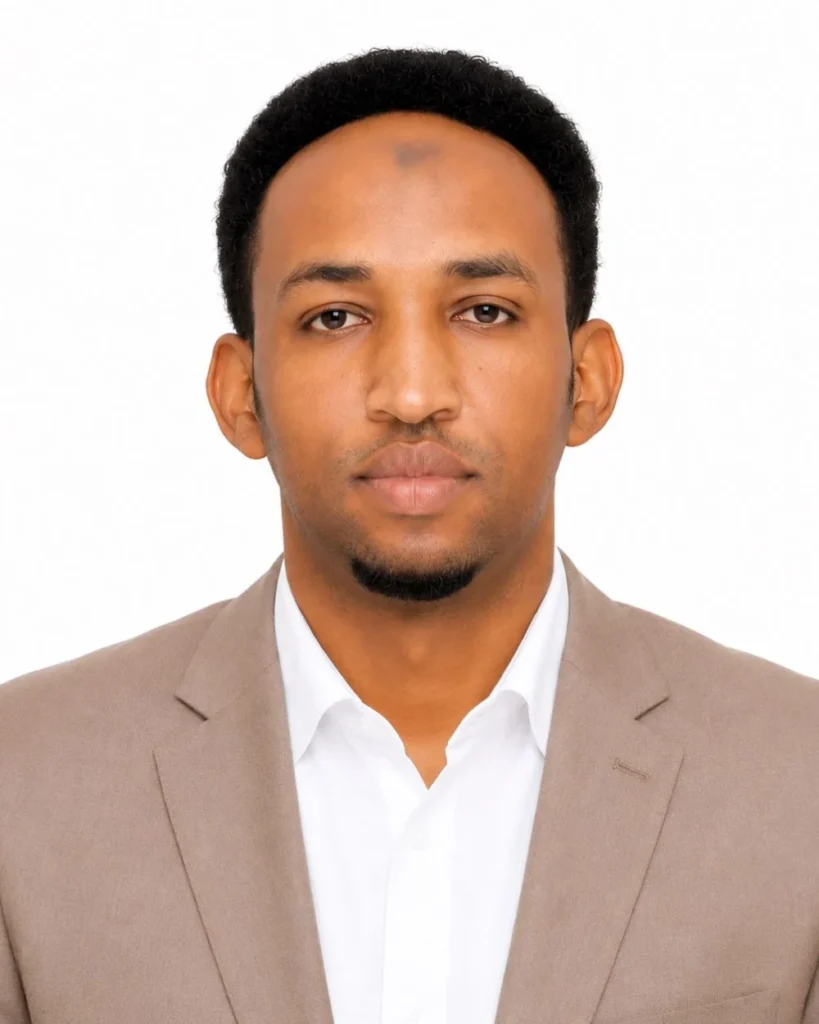
Jamal Hassan Mohamoud
Head, Department of Public Health
Responsible for the Radiography programme, its curriculum and its teaching.
View profileCareers and further study
- Diagnostic radiographer in a hospital imaging department
- CT or MRI radiographer after further specialist training
- Sonographer in a hospital ultrasound unit or diagnostic centre
- Radiation safety and quality assurance officer in imaging departments
- Applications specialist with an imaging equipment company
- Postgraduate study in medical imaging or radiation science
Fees
- Tuition
- US$ 400
- Charges
- US$ 70
- Total per semester
- US$ 470
The academic year has 42 weeks in two semesters of 18 weeks each. The first semester begins in August. Fees can be paid in full or in three instalments.
Every student also takes the University’s English Skills Program, which has its own fees, shown below.
Paying your feesEnglish Skills Program
All SIMAD University students take the English Skills Program (ESP) alongside the Radiography programme. It is a University requirement, taught by the University’s Institute of Modern Languages, and its fees are paid separately from programme fees.
Five levels
English for Academic Purposes, taught with Macmillan Skillful, one level each trimester, about 15 months in all.
- 1. FoundationBasics of academic English
- 2. BeginnerFunctional English
- 3. IntermediateCore academic skills
- 4. AdvancedAcademic communication
- 5. MasteryFluent academic English
ESP fees
Paid to the University separately from programme fees.
- RegistrationUS$ 5, paid once
- TuitionUS$ 114 per semester
- BooksUS$ 60 per semester
Exemption. Students who were born and educated in an English-speaking country may be exempted once they provide proof.
Entry requirements
- Secondary leaving certificate from the Ministry of Education with at least 60%
- A pass in the University entrance examination
- Fair proficiency in English
- Payment of the University admission fee
Registration runs from August to September, and classes begin in October.